Introduction
I know it’s a topic that can feel embarrassing, but the truth is that hemorrhoidal disease troubles a very large number of people. Around 80% of the population will experience at least one episode in their lifetime with its unpleasant and painful consequences. These discomforts—such as pain, itching, or difficulty during bowel movements—can turn even a simple visit to the toilet into a real nightmare.
In this article, we will look together at what hemorrhoids actually are and why they appear. We will focus on practical and gentle ways to relieve symptoms immediately, using simple changes in diet and daily habits. Our goal is to help you regain comfort and well-being in your everyday life.
What Are Hemorrhoids?
To understand the problem, let’s start with the basics: hemorrhoids are normal “cushions” of blood vessels located in the upper part of the anal canal. They are anatomical formations containing a dense network of vessels that help seal the anal canal.
Discomfort, known as hemorrhoidal disease, occurs when these vessels expand due to increased pressure or straining and begin to descend, sometimes even protruding outside the anus. This swelling and prolapse is what causes the bothersome symptoms.
Symptoms or Signs You Should Watch For
If you notice any of the following signs, it is likely you are experiencing hemorrhoidal disease:
-
Bleeding during bowel movements: Usually bright red blood right after passing stool, either on the toilet paper or in the bowl.
-
Pain or pressure in the anal canal.
-
Itching in the area.
-
Burning sensation.
-
Prolapse: Feeling or noticing a mass protruding from the anus during bowel movements.
-
Discharge: Watery or mucous discharge that may stain underwear.
Causes or Factors That Worsen the Condition
Hemorrhoidal disease usually results from a combination of factors that increase pressure in the area:
-
Constipation and Straining: The most common cause, due to hard stools and prolonged intense pushing.
-
Diet: A diet low in fiber is a key contributing factor.
-
Sedentary Lifestyle and Low Physical Activity: Sitting for long periods or lack of exercise increases the risk.
-
Excess Body Weight: Increases intra-abdominal pressure.
-
Pregnancy and Childbirth: Women are at higher risk due to pressure changes, hormones, and pregnancy-related constipation.
-
Poor Habits: Spending too much time sitting on the toilet.
Practical Relief Methods and Gentle Natural Options
There are many practical ways to get relief, especially if symptoms are mild.
-
Immediate Relief with Water: Do sitz baths with lukewarm or cool water (never hot) for at least 15 minutes, especially after each bowel movement. Cold compresses or ice can also reduce pain and swelling.
-
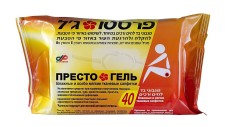
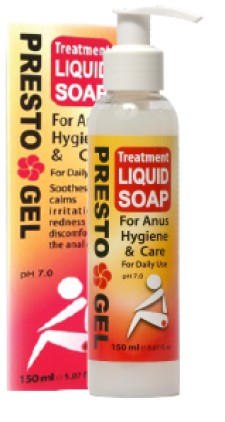
Careful Hygiene: Avoid using dry toilet paper. Prefer lukewarm water and mild, hypoallergenic soap (like pure olive-oil soap) or moist wipes. Pat the area dry gently.
-
Correct Body Position: When sitting on the toilet, elevate your knees (e.g., with a footstool) to reduce the anorectal angle and make bowel movements easier.
-
Avoid Straining: Don’t sit too long on the toilet, and if you feel constipated, don’t keep pushing. Also, wear loose, cotton underwear.
Diet & Lifestyle: What to Prefer and What to Avoid
What to Prefer:
-
Fiber: Gradually increase fiber intake (20–30 g/day) to soften stools. Prefer legumes, whole grains, fresh fruits (especially with skin), and vegetables (like spinach, carrots, broccoli).
-
Plenty of Fluids: Drink 6–8 glasses of water per day to maintain soft stools. Prune juice can help significantly.
-
Exercise: Physical activity, such as walking, promotes regular bowel movements.
What to Avoid:
-
Heavy Meals and Alcohol: They can worsen symptoms.
-
Excessive Pressure: Activities that greatly increase abdominal pressure, such as heavy weightlifting or cycling.
-
Certain Foods: Some dairy products, as well as astringent fruits (bananas, grated apples), may need to be avoided if they worsen constipation or bloating.
Products That May Help
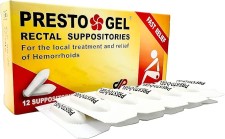
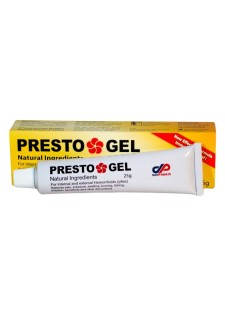
For symptom relief, several product categories may be useful—always after consulting your pharmacist or doctor:
-
Herbal Creams and Oils: St. John’s wort oil (soothing), almond oil (softening for external hemorrhoids), or pure Aloe Vera (anti-inflammatory) can offer gentle relief.
-
Topical Creams with Anesthetics/Corticosteroids: Creams with lidocaine (for pain) or fluocinolone (for inflammation) are used for short-term symptom relief. They should be used only for a short time (usually not more than 14 days) to avoid side effects like skin thinning.
-
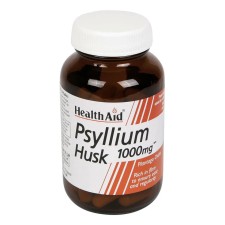
Fiber Supplements: If diet alone is insufficient, fiber supplements (e.g., psyllium) help regulate bowel movements.
-
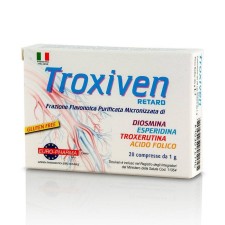
Phlebotonic Medicines: Flavonoid-based medications that strengthen vessel walls and may reduce bleeding and discharge.
Frequently Asked Questions
Q: Is it normal to develop hemorrhoids during pregnancy?
A: Yes, it’s very common due to increased abdominal pressure and hormonal changes. The good news is that it often improves within about three months after childbirth.
Q: Can hemorrhoids cause abdominal pain?
A: Symptoms typically appear only in the anal area (pain, itching, bleeding). If you feel severe pain or pressure elsewhere, speak with your doctor to rule out other conditions.
When to Seek Medical or Professional Advice
You should seek specialized care when:
-
Symptoms persist for more than two weeks despite self-care.
-
Bleeding is heavy or ongoing.
-
There is intense or unrelenting pain.
-
You are unsure of the diagnosis, as other conditions (such as fissures, fistulas, or cancer) may have similar symptoms.
A general surgeon or proctologist can guide you properly and ensure there’s nothing more serious. For advanced stages (Grade III and IV) or when conservative treatment fails, there are modern, minimally invasive techniques (such as laser or ultrasound-guided procedures) that can provide a definitive solution.
Conclusion
Don’t let hemorrhoidal disease disrupt your daily life. Small, consistent changes in habits and diet—like increasing fiber and fluids—can make a big difference. Treat the area gently and don’t hesitate to seek professional advice if the problem persists. With proper care, relief is absolutely achievable!
Disclaimer
The content of this article is for informational purposes only and does not replace personalized medical advice.